2026-05-29
Donated Rib Cartilage vs. Autologous Rib Cartilage: Which is Safer?
#DonatedRibCartilage #DonatedRib #AutologousRibCartilage #AutologousRib #Rhinoplasty #ContractedNose #NoseImplant #RevisionRhinoplasty #Rhinoplasty #AlarReduction #FlatNose #ShortNose #LongNose #Weverse #WeversePlasticSurgery #ProtrudingMouthNose #ProtrudingMouthRhinoplasty #HumpNose #ShimJungHwan #SeoSeungJo #ParkSunHee Hello~ 💎your beauty universe! This is Weverse Plastic Surgery :)💎 If you are considering rhinoplasty, you have probably thought about the materials at least once.

#DonatedRibCartilage #DonatedRib #AutologousRibCartilage #AutologousRib #Rhinoplasty #ContractedNose #NoseImplant #RevisionRhinoplasty #Rhinoplasty #AlarReduction #FlatNose #ShortNose #LongNose #Weverse #WeversePlasticSurgery #ProtrudingMouthNose #ProtrudingMouthRhinoplasty #HumpNose #ShimJungHwan #SeoSeungJo #ParkSunHee
Hello~
💎your beauty universe! This is Weverse Plastic Surgery :)💎
If you are considering rhinoplasty, you have probably thought about the materials at least once.
Among them, many of you might be debating between donated rib cartilage and autologous rib cartilage.
"Donated rib" literally refers to donated cartilage.
This donated rib cartilage undergoes cellular and immunological processing so that when transplanted,
it is a material that causes no rejection or immune response.
"Autologous rib" refers to autologous rib cartilage, which is the cartilage located in your own ribs.
In most cases, an incision is made under the chest to harvest the cartilage, which is then
carved and shaped to fit the nose.
However, in the case of autologous rib cartilage, the surgical method is complex, and during the harvesting process,
scarring may occur.
Donated Rib Cartilage vs. Autologous Rib Cartilage: Which is Safer?

Since both materials have their pros and cons, it is difficult to say which one is definitively safer,
and they should be chosen and used based on their respective advantages and disadvantages.
In the case of donated rib cartilage, because it is not a material harvested from your own body,
it may show slightly inferior results compared to autologous rib cartilage in terms of inflammation or absorption rates.
However, since it is not harvested from your own body, there is no scarring at the donor site,
and it can be considered a better material in that there are no complications such as pneumothorax.
Therefore, your personal preference, the condition of your nose,
and your desired nose shape should all be comprehensively considered when making a choice.
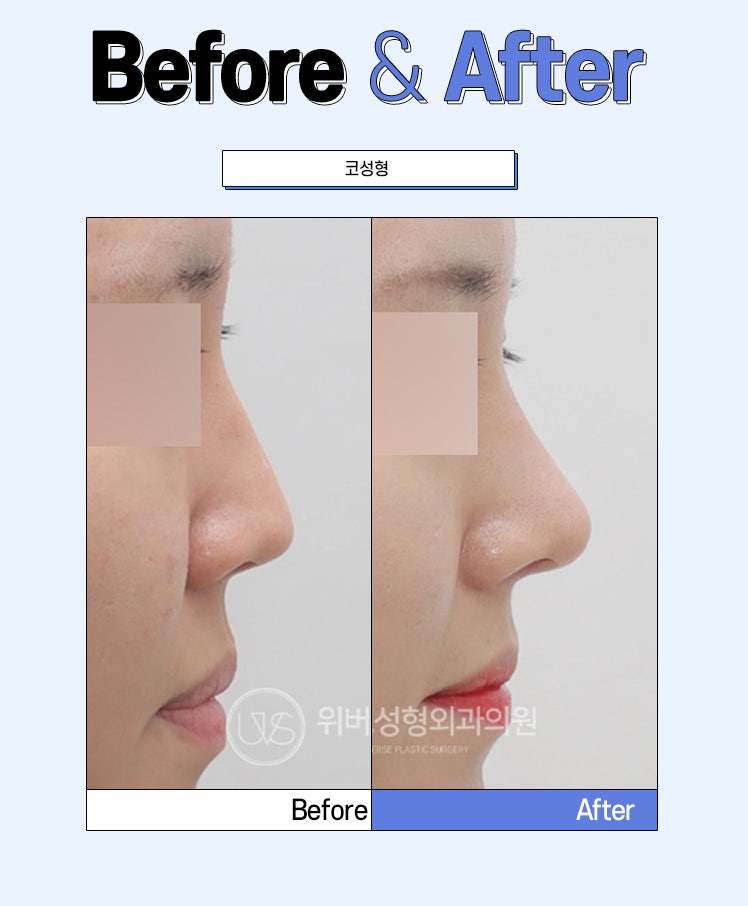
For those considering rhinoplasty, choosing the right material is a common concern. .
It is best to choose a material that suits your individual characteristics and condition.
Please note that if you choose a material that is not right for you, issues like implant visibility or side effects may occur,
so we highly recommend discussing your material choices with a board-certified plastic surgeon. .
❤ Want a quick consultation?



Frequently Asked Questions
What is donated costal cartilage?
Donated costal cartilage is a material that has undergone cell reaction and immune processing to prevent rejection when transplanted. A major advantage is that it is not harvested from one's own body, eliminating the risk of complications such as donor site scars or pneumothorax.
What are the pros and cons of autologous costal cartilage rhinoplasty?
The advantage of using one's own cartilage is that the results are better than donated costal cartilage in terms of inflammation and absorption rate. However, the disadvantages are that the surgery is more complex and a scar may remain at the cartilage harvesting site below the chest.
Which is safer, donated costal cartilage or autologous costal cartilage?
It cannot be definitively stated that one is unconditionally safer than the other. Donated costal cartilage has no risk of scars and complications from harvesting, while autologous costal cartilage is advantageous in terms of inflammation and absorption rate, so you should choose by considering the pros and cons of each.
How should I choose materials for rhinoplasty?
The choice should be made by comprehensively considering your individual nose condition, desired shape, and preferences. It is recommended to consult with a plastic surgeon to decide, as using materials that are not suitable for you can lead to protrusion or side effects.