2026-05-18
Implant-Free Rhinoplasty Real Case: Bulbous, Long, Hump, and Deviated Nose Autologous Rib Cartilage Review
A review of an implant-free rhinoplasty case for a patient whose nose appeared long and blunt due to a dorsal hump and drooping tip. Without using artificial implants, autologous rib cartilage and ear cartilage were utilized to build the nasal tip support structure. The hump was conservatively resected, and the step-off was smoothed out using natural tissue. At the 2-week postoperative follow-up, the dorsal line is smoothly refined, the drooping tip is corrected making the nose appear shorter, a
#ImplantFree #Rhinoplasty #LongNose #BulbousNose #AutologousRibCartilage #HumpNose #ShimJeongHwan #Weverse #WeversePlasticSurgery #DroopingTip #AutologousRib #SeoSeungJo
Hello~
💎your beauty universe! This is Dr. Shim Jeong-hwan from Weverse Plastic Surgery :)💎
Today, I would like to review an implant-free rhinoplasty (autologous rib cartilage) case.
Before Surgery
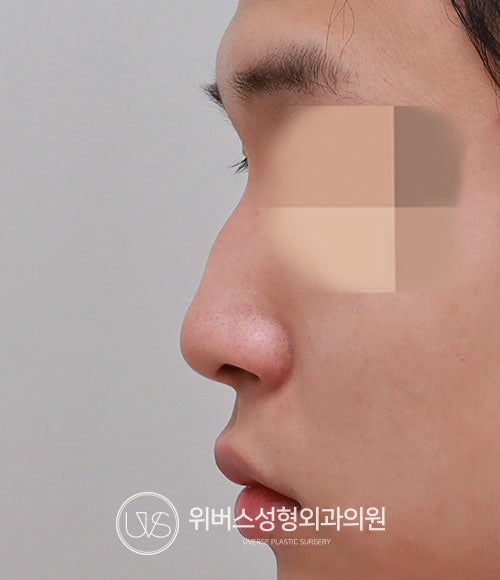
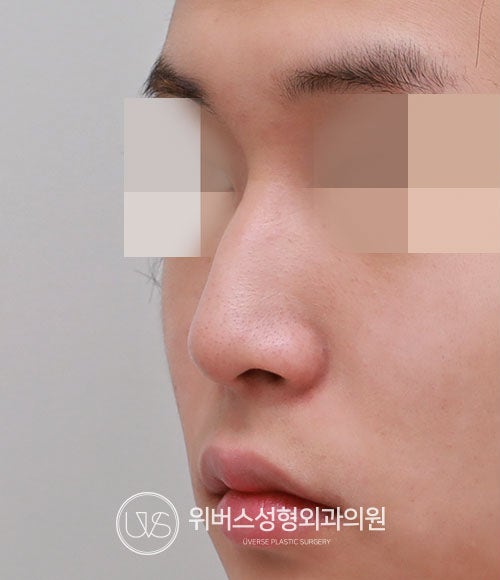
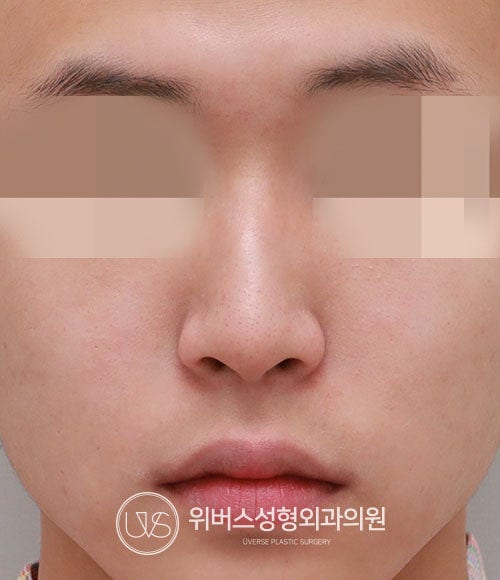
When this patient visited our clinic, her concerns about her nose were quite clear.
She did not have major complaints about the height of her nasal bridge itself,
but she wanted to improve the overall long and blunt impression of her nose caused by a dorsal hump and a drooping nasal tip.
There was a relatively distinct hump on the nasal dorsum,
and the nasal tip was drooping downward, giving a somewhat heavy feeling from both the front and side profiles.
Additionally, the skin on her nasal tip was on the thicker side, accompanied by some characteristics of a bulbous nose.
✔️ Simultaneous presence of a dorsal hump + drooping nasal tip
✔️ The nose appeared longer than it actually was
✔️ A blunt impression due to bulbous nose elements
Diagnosis and Surgical Plan
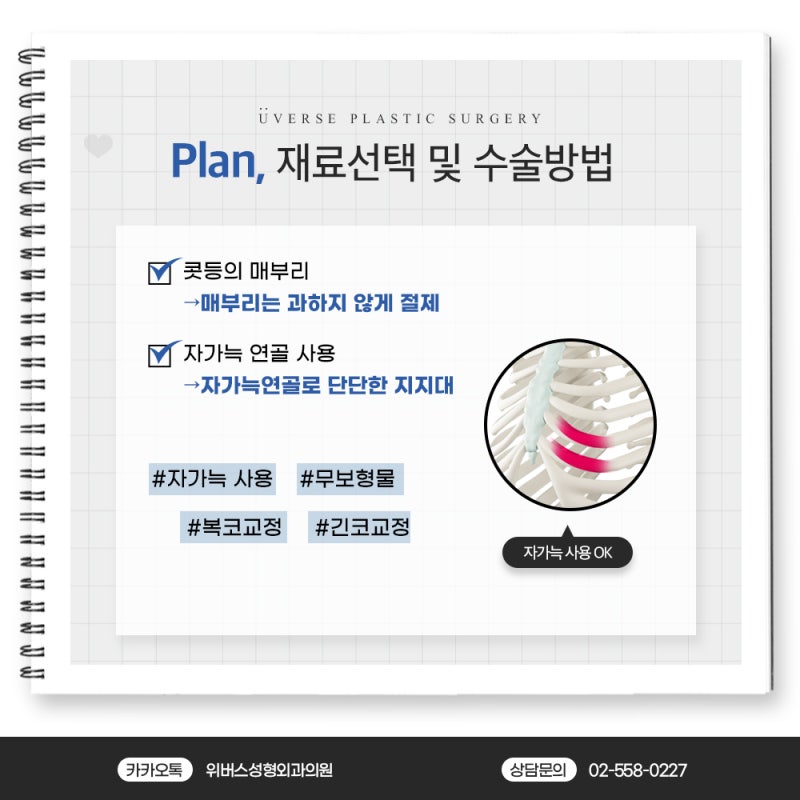
Generally, when a dorsal hump is present,
using an implant to create a smooth dorsal line can be an effective method.
However, the patient did not want to use artificial implants,
and she was open to leaving a slight, natural hump rather than removing it completely.
Therefore, the surgery was planned with a focus on "natural improvement rather than overcorrection."
✔️ Nasal dorsum: Conservative resection of the hump
✔️ Nasal tip: Building a support structure using autologous rib cartilage and refining the shape with ear cartilage
✔️ Smoothing out the step-off created after hump removal using autologous tissue
In this case,
👉 correcting the step-off between the hump area and the nasal tip was the key.
If this area is not connected naturally,
it can lead to a bumpy nasal dorsum or an unnatural, operated look.
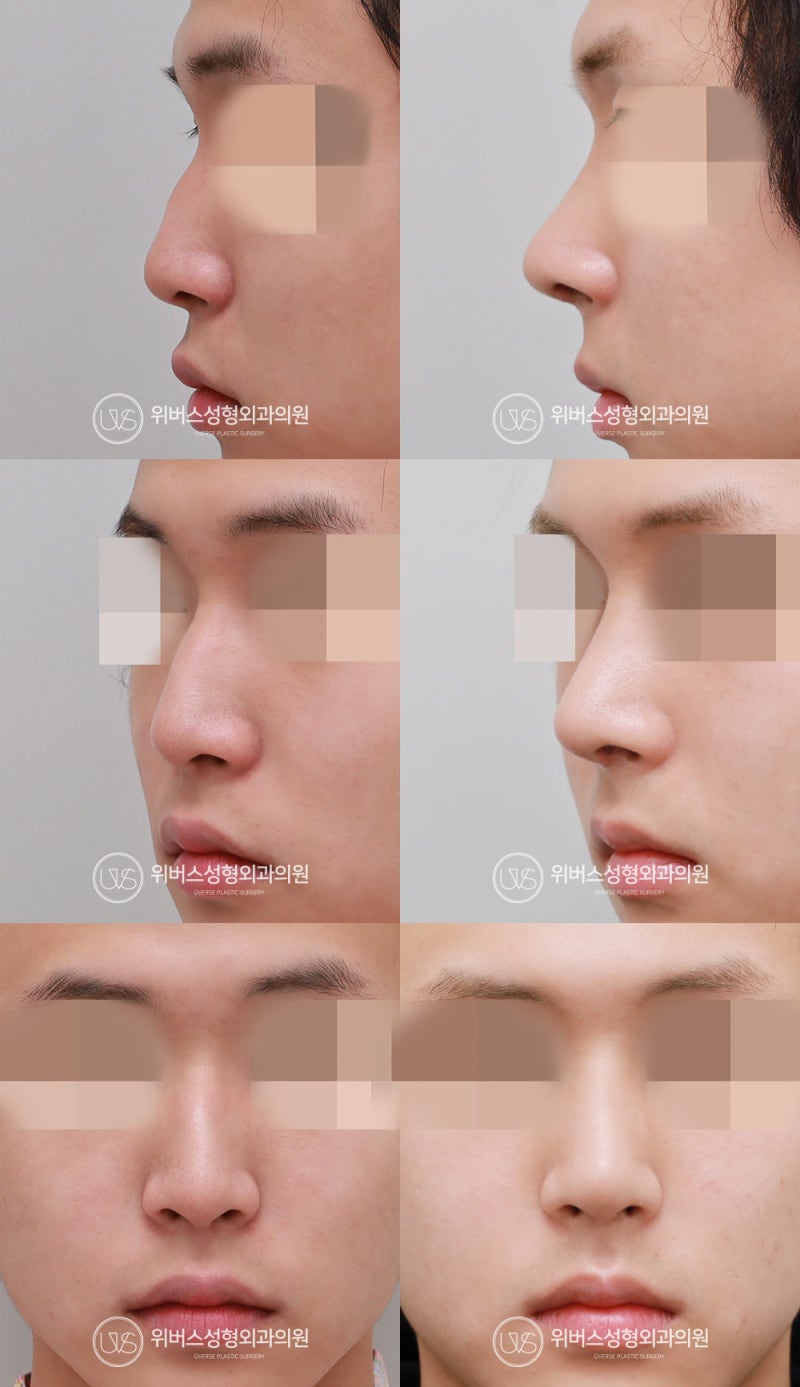
2 Weeks Post-Op
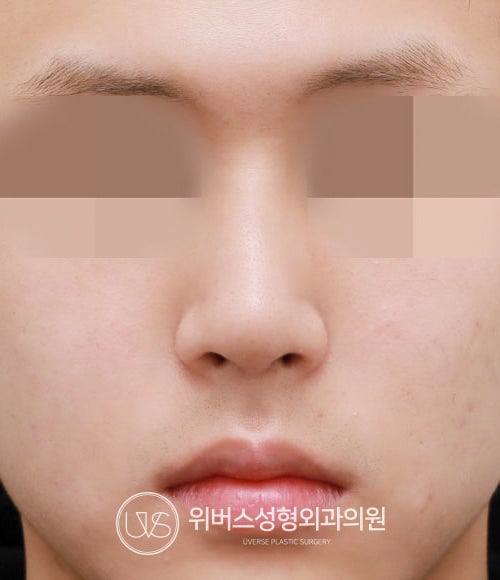
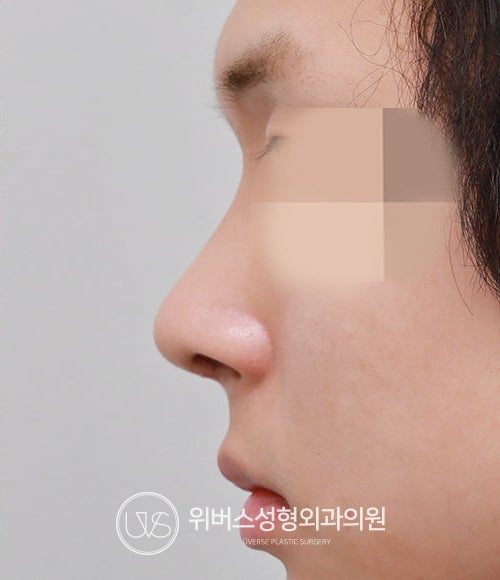
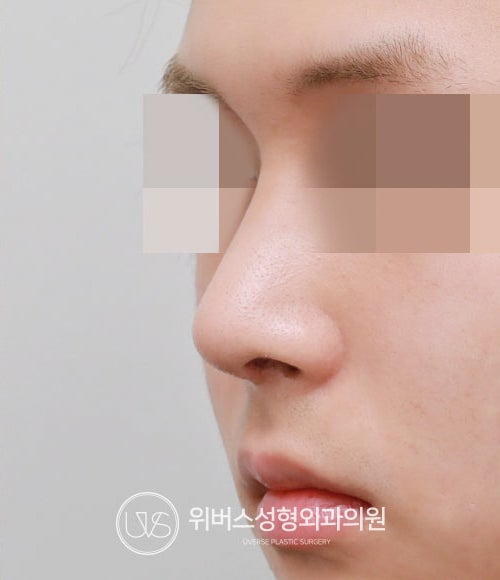
Looking at the progress 2 weeks after surgery,
the overall dorsal line has been smoothly refined.
Although the patient wanted a bit more of the hump to remain,
the actual result was naturally smoothed out,
finishing in a shape where the hump is barely visible.
This is not simply because the hump was shaved down excessively,
👉 but because the line was refined while stably compensating for the step-off.
Before surgery, the combination of the hump and the drooping nasal tip
gave the impression of a longer and heavier nose.
After surgery, as the tip support was secured, the drooping was corrected,
and as the dorsal line was refined, it created the effect of a shorter nose
along with a more three-dimensional appearance of the midface.
This case is
not simply a surgery to remove a hump,
but an approach that considered the patient's needs, the current state of the nose, and the condition of being implant-free,
aiming for a conservative yet definitive improvement.
Before Surgery / 2 Weeks Post-Op
👉 Want to know more about Weverse Plastic Surgery?


Frequently Asked Questions
What is implant-free rhinoplasty?
It is a method of reshaping the nose using only autologous tissue without artificial implants. In this case, autologous rib cartilage was used to build the nasal tip support structure, ear cartilage was used to refine the shape, and the step-off created after hump removal was filled with autologous tissue.
Does a dorsal hump have to be completely removed?
No, it can be left naturally depending on the patient's needs. The patient in this case wanted a slight, natural hump to remain rather than having it completely removed. Accordingly, the surgery was performed with a focus on natural improvement rather than overcorrection, conservatively resecting the hump.
How does it look when a drooping nasal tip and a dorsal hump are present together?
It gives the impression that the nose is longer and blunter than it actually is. The dorsal hump and the downward-drooping tip act simultaneously to give a heavy feeling from both the front and side profiles. If accompanied by bulbous nose elements with thick nasal tip skin, the blunt impression becomes even stronger.
Why is step-off correction important when removing a hump?
If the area between the hump and the nasal tip is not connected naturally, it can lead to a bumpy nasal dorsum or an unnatural, operated look. In this case as well, correcting the step-off between the hump area and the nasal tip was the key, and the line was refined while stably compensating for the step-off.
What changes appear at 2 weeks post-op for implant-free rhinoplasty?
You can see that the dorsal line is smoothly refined and the drooping nasal tip is corrected. In this case, the tip support was secured to improve the drooping, and as the dorsal line was refined, it created the effect of a shorter nose along with a more three-dimensional appearance of the midface.