2026-05-18
Sneezing After Rhinoplasty: Is It Okay? Safe Methods and Precautions
Many people worry whether sneezing after rhinoplasty will affect their nose shape or the implant. While a light sneeze is usually not a problem, caution is needed within the first 1 to 2 weeks after surgery as the internal tissues are still settling. We guide you through the correct methods, such as sneezing with your mouth open, not blocking your nose, and slightly bowing your head, as well as environmental management and when to visit the clinic.
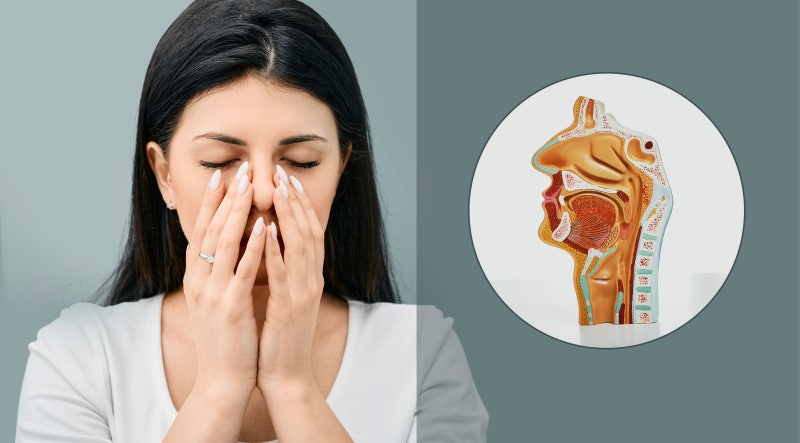
Hello~
💌 Your beauty universe! This is Weverse Plastic Surgery :) 💌
One of the biggest concerns many people have after rhinoplasty is
whether sneezing will affect their nose.
To give you the conclusion first,
a light sneeze itself usually does not cause major problems, but caution is necessary.
Today, based on actual clinical guidelines, we will guide you through
the precautions and proper methods for sneezing after rhinoplasty.
✔️ Why Sneezing After Rhinoplasty is a Concern
After rhinoplasty, the internal tissues are in the process of settling, making them sensitive to external pressure or impact.
When you sneeze, the following phenomena can momentarily occur:
▪️ Increased internal nasal pressure
▪️ Nasal cavity vibration
▪️ External impact (including blocking the nose with your hands)
Because of this, patients often worry about deformation of the nose shape or movement of the implant.
✔️ Will Sneezing Affect the Shape of the Nose?
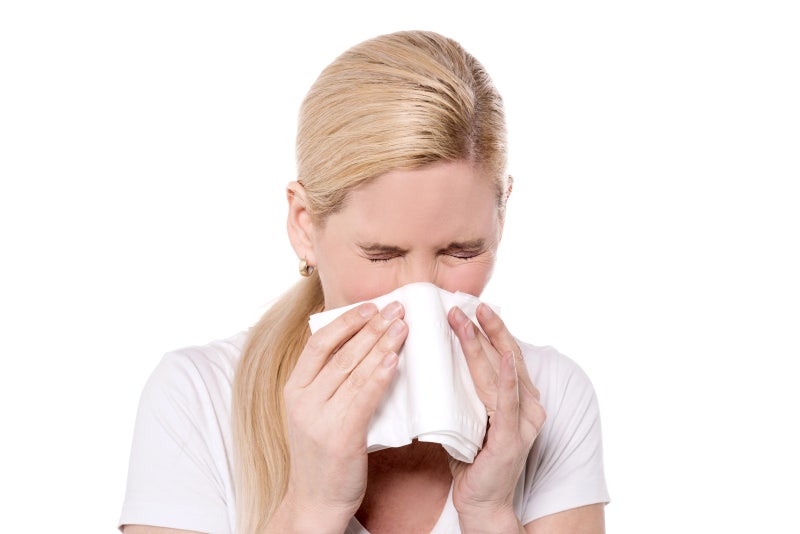
In most cases, one or two everyday sneezes
will rarely cause the shape of the nose to deform.
However, caution is needed in the following situations:
▪️ Within 1 to 2 weeks immediately after surgery
▪️ Strong, repetitive sneezing
▪️ Sneezing while blocking or pressing the nose firmly with your hands
▪️ Blowing the nose forcefully or applying pressure
During this period, the tissues have not completely settled,
so it is best to avoid unnecessary pressure.
✔️ How to Sneeze Safely After Rhinoplasty
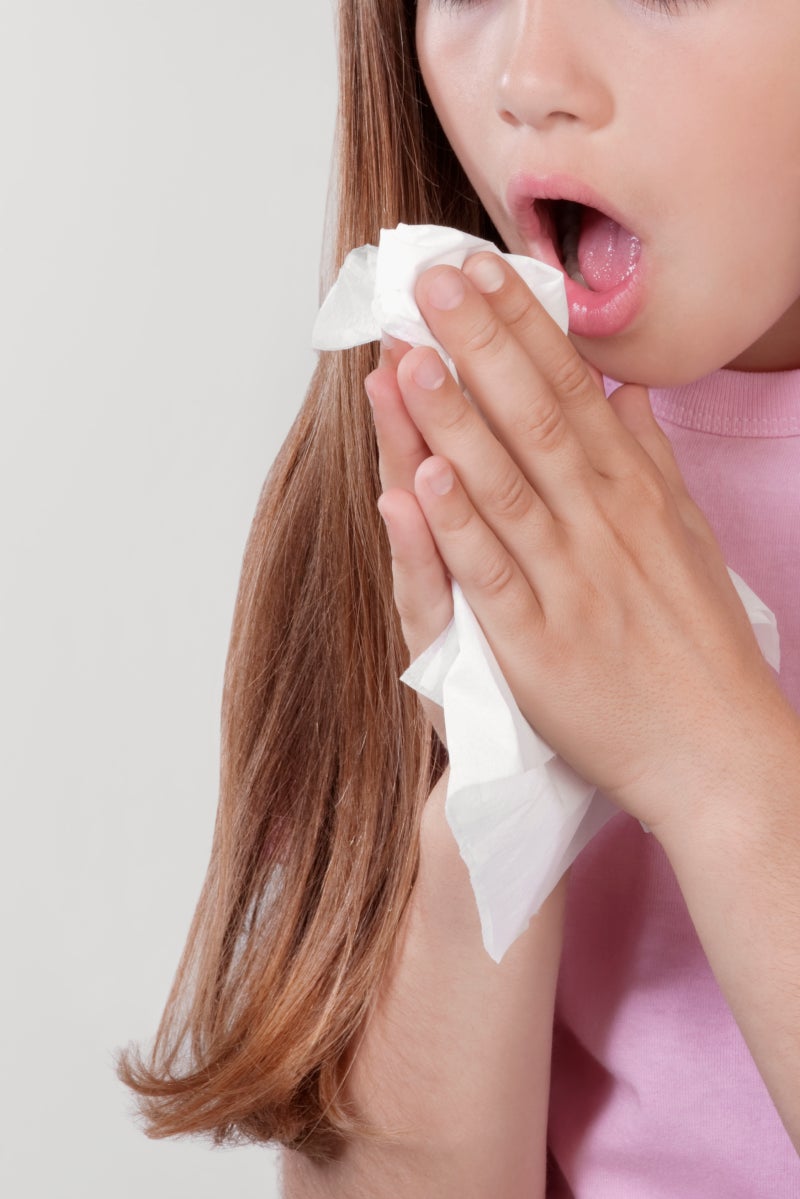
Unconditionally holding in a sneeze is actually not good.
Instead, please follow these methods!
1. Sneeze with your mouth open
→ This disperses the pressure going to the nose.
2. Do not block your nose
→ If you press it with your hands, the pressure is transmitted directly.
3. Bow your head slightly
→ This reduces the impact transmitted to the nasal tip.
4. Induce a gentle sneeze
→ Avoid continuous and forceful sneezing.
✔️ Managing Sneeze-Inducing Factors
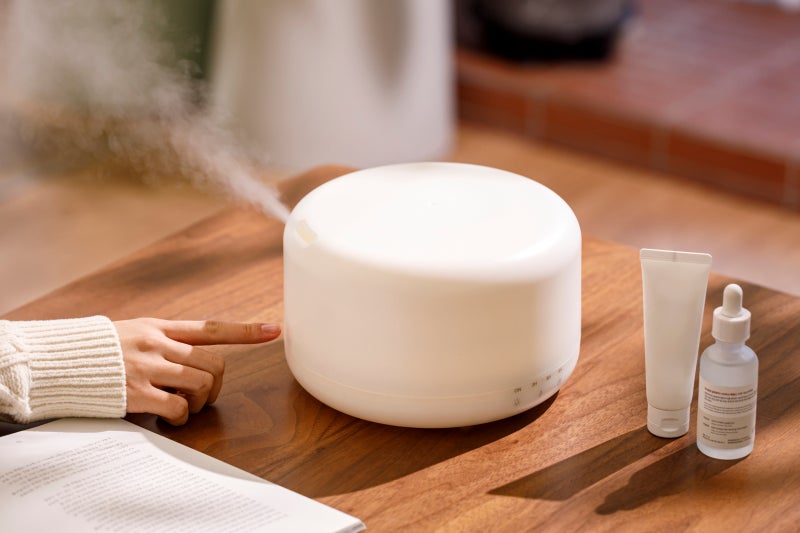
After rhinoplasty, the nose becomes sensitive, and even minor irritation can trigger a sneeze.
Environmental management helps with recovery.
▪️ Dry indoor environment → Use of a humidifier is recommended
▪️ Avoid dust, pollen, and allergens
▪️ Managing scabs inside the nose → Saline irrigation if necessary
✔️ When a Clinic Visit is Necessary
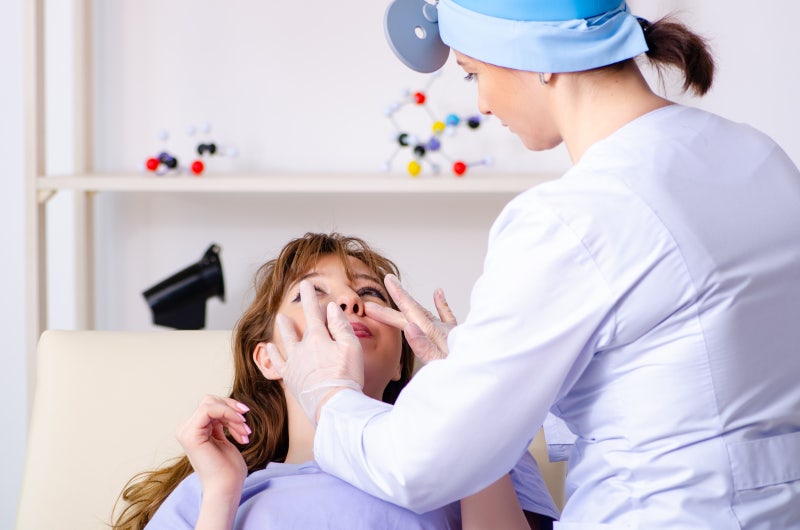
If you experience the following symptoms after sneezing, it may not be a simple recovery process,
so it must be checked.
❗ Continuous increase in pain
❗ Feeling of a change in nose shape
❗ Persistent bleeding
❗ Feeling the implant move
In these cases, do not delay
and visit the clinic where you had the surgery.
You do not need to worry excessively about sneezing after rhinoplasty, but
early care, especially within the first 2 weeks post-op, is important.
Since a single small habit can greatly affect the recovery outcome,
managing it the right way will safely aid your recovery.
At our clinic, we provide customized care and guidance tailored to your post-operative recovery stage,
so if you have any questions, please feel free to contact us anytime through the link below :)


Frequently Asked Questions
Is it okay to sneeze after rhinoplasty?
Yes, one or two light sneezes will rarely cause the shape of the nose to deform. However, within the first 1 to 2 weeks immediately after surgery, the internal tissues are still settling, so it is best to avoid strong, repetitive sneezing or blocking your nose.
How can I sneeze safely after rhinoplasty?
Sneezing with your mouth open is the safest method. This is because it disperses the pressure going to the nose. Additionally, it is recommended not to block your nose with your hands, bow your head slightly, avoid continuous and forceful sneezing, and induce it gently.
Is it okay to hold in a sneeze?
No, unconditionally holding in a sneeze is actually not good. Instead, following the correct methods to disperse pressure, such as sneezing with your mouth open, not blocking your nose, and slightly bowing your head, will help with recovery.
What symptoms after sneezing require a visit to the clinic?
If you experience a continuous increase in pain, a feeling of a change in nose shape, persistent bleeding, or feel the implant move, you should visit the clinic immediately. As it may not be a simple recovery process, it is safe to get it checked at the clinic where you had the surgery without delay.
How can I manage my environment to reduce sneezing after rhinoplasty?
In a dry indoor environment, using a humidifier is recommended. Additionally, avoiding dust, pollen, and allergens, and reducing irritation by washing scabs inside the nose with saline solution when necessary will help with recovery.
When is caution regarding sneezing most needed after rhinoplasty?
The first 1 to 2 weeks after surgery is the period requiring the most caution. At this time, the internal tissues have not completely settled and are sensitive to external pressure or impact, so unnecessary pressure, such as strong sneezing or pressing the nose, should be avoided.