2026-05-29
Rhinoplasty Materials Used by Nasal Area
#Rhinoplasty #NoseBridge #Alar #Septum #EarCartilage #Silicone #AlarReduction #HumpNose #AutologousRibCartilage #AutologousRib #AutologousRibRhinoplasty #Weverse #SeoSeungJo #ShimJungHwan #ParkSunHee #ShortNose #LongNose Hello~💎your beauty universe! This is Dr. Shim Jung-hwan from Weverse Plastic Surgery :)💎 Rhinoplasty is the second most popular plastic surgery after eye surgery. Depending on the shape, angle, and height of the nose, a person's overall impression can change significantly.

#Rhinoplasty #NoseBridge #Alar #Septum #EarCartilage #Silicone #AlarReduction #HumpNose #AutologousRibCartilage #AutologousRib #AutologousRibRhinoplasty #Weverse #SeoSeungJo #ShimJungHwan #ParkSunHee #ShortNose #LongNose
Hello~
💎your beauty universe! This is Dr. Shim Jung-hwan from Weverse Plastic Surgery :)💎
Rhinoplasty is the second most popular plastic surgery after eye surgery.
Depending on the shape, angle, and height of the nose, a person's overall impression can change significantly.
The materials used in rhinoplasty are broadly divided into artificial implants and autologous tissues.
Artificial implants include silicone, Gore-Tex, mesh, and Medpor,
and among them, the most commonly used material is silicone.
Autologous materials include ear cartilage, septal cartilage, and rib cartilage,
and they are highly preferred because they cause less foreign body sensation and yield natural results after engraftment.
Today, let's find out what materials are used
for each specific area during rhinoplasty.
What materials are used for each area during rhinoplasty?
Since preferred materials vary among surgeons and patients,
and the necessary materials differ depending on the patient's condition,
it is difficult to definitively categorize exactly which material must be used.
In the case of our clinic, for the structural strut, even though it needs to be firm,
we use septal cartilage or rib cartilage (donated or autologous) to prevent the nasal tip from drooping,
and we use ear cartilage for the nasal tip itself.
For the nasal bridge, depending on the patient's condition, we may use a silicone implant
or autologous tissue (cartilage, dermis, etc.).
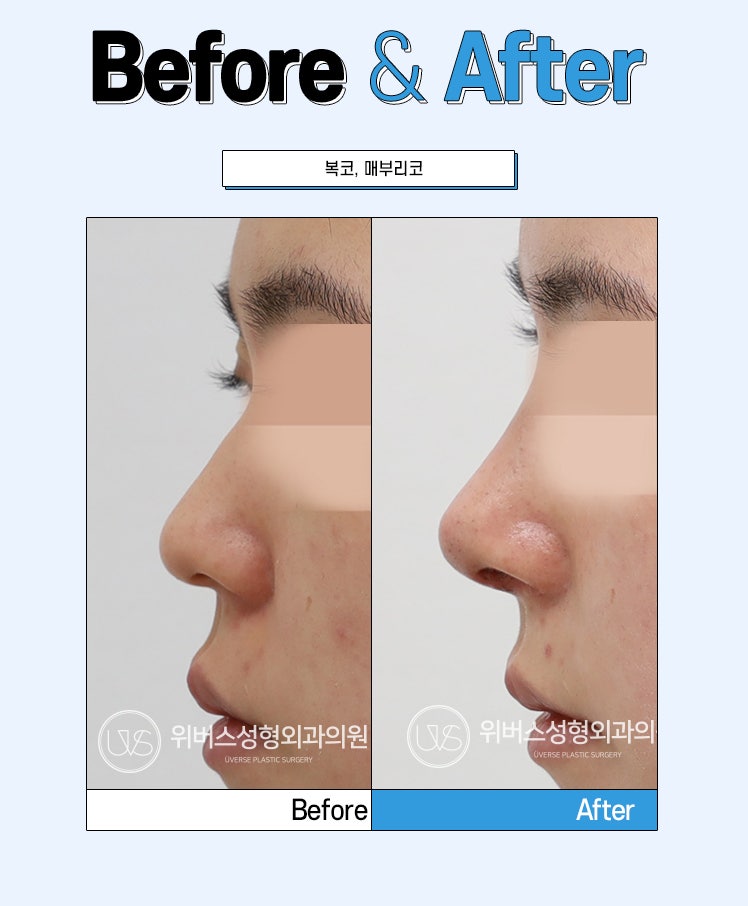
Today, we learned about the materials used in rhinoplasty.
We will return with even more informative content next time.
🧡Want a quick consultation?