2026-05-29
The Most Challenging Revision Rhinoplasty?😭 (Autologous Rib Cartilage Revision Rhinoplasty)
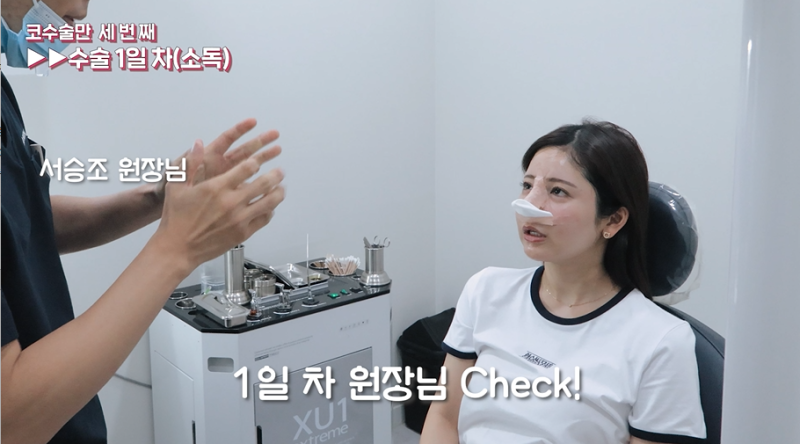
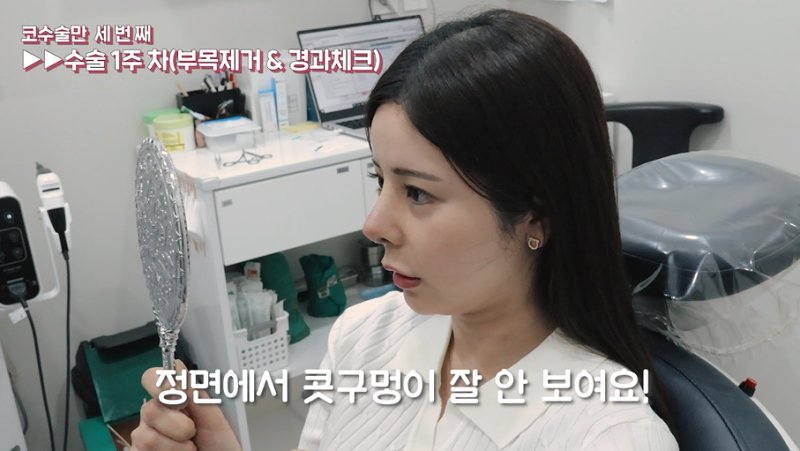
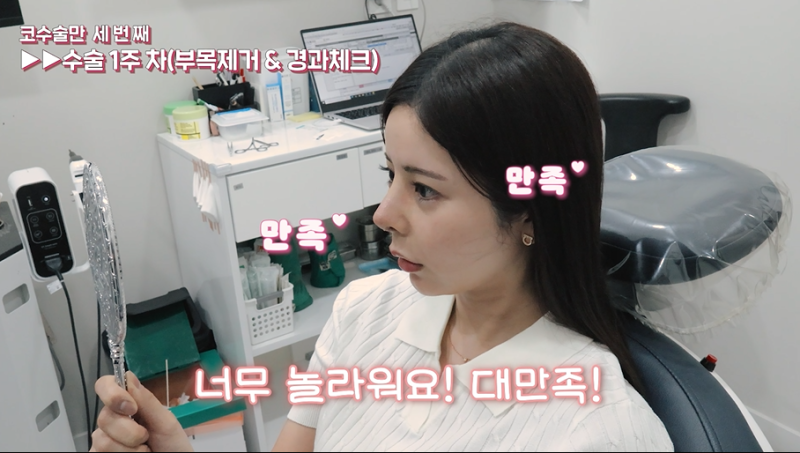
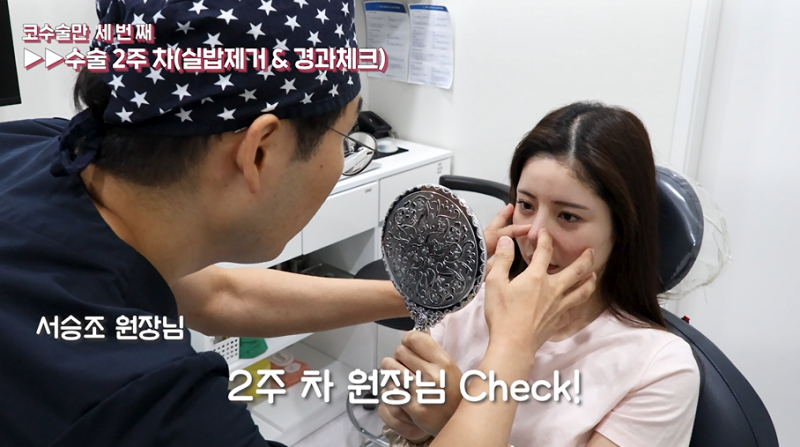
A patient who underwent two previous nose surgeries at other clinics decided to have a third revision rhinoplasty at Uverse Plastic Surgery due to an unnaturally high nose and dissatisfaction with the shape. The surgery involved using autologous rib cartilage to lower the nasal tip and create a more natural, harmonious look.
#NoseRevision #BestNoseRevisionClinic #NoseRevisionSpecialist #RevisionSurgerySpecialist #AutologousRib #NoseSurgery #BestNoseSurgeryClinic #Columella #Septum #NasolabialAngle #BulbousNose #HumpNose #LongNose #DeviatedNose #ShortNose #SaddleNose #UpturnedNose #NasalBridge #NasalTipSurgery #StraightNose #SemiAestheticNose #AutologousRib #DonatedRib #RibCartilage #EarCartilage #GangnamStation #UversePlasticSurgery
Hello~
💌Your beauty universe! This is Uverse Plastic Surgery.💌
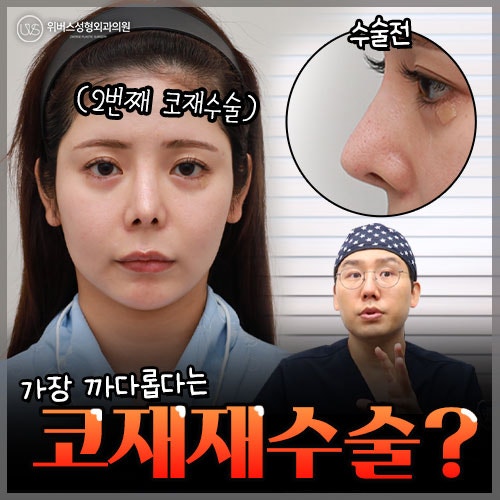
Today's patient had two previous nose surgeries at other hospitals,
and is now undergoing their third nose surgery at our clinic.
👇Reasons for deciding on a second revision rhinoplasty
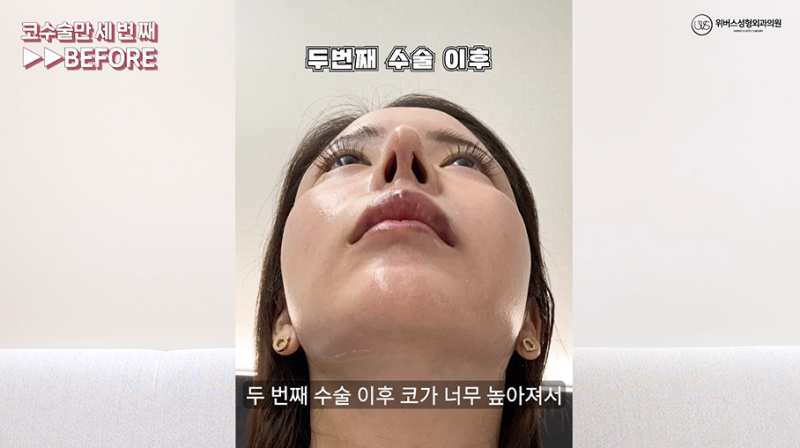
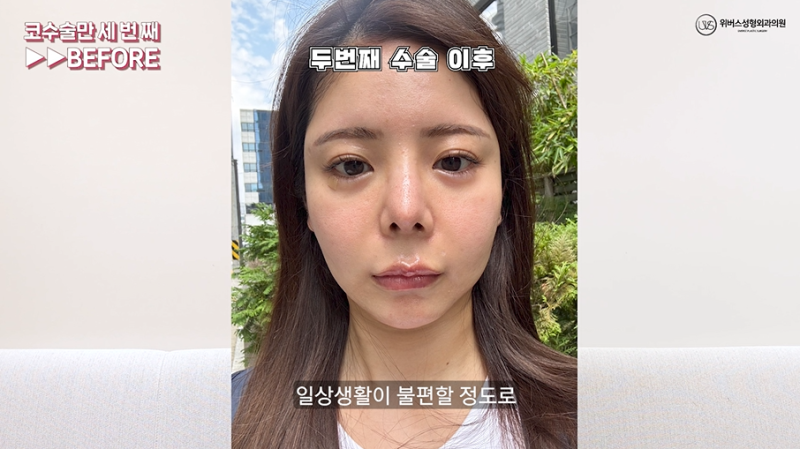
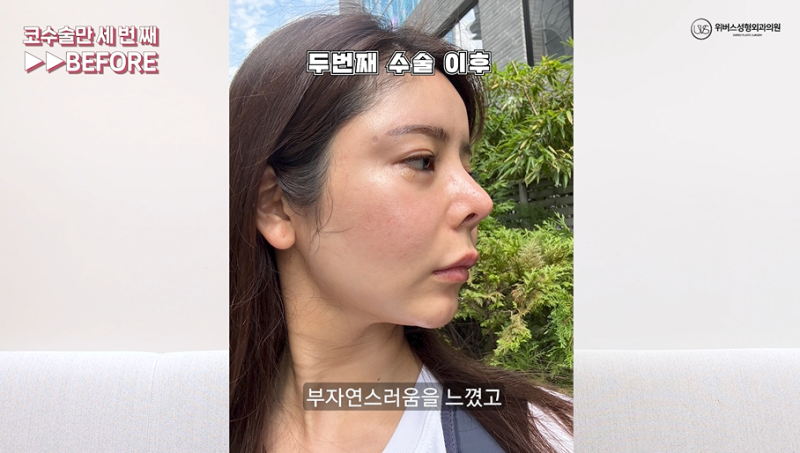
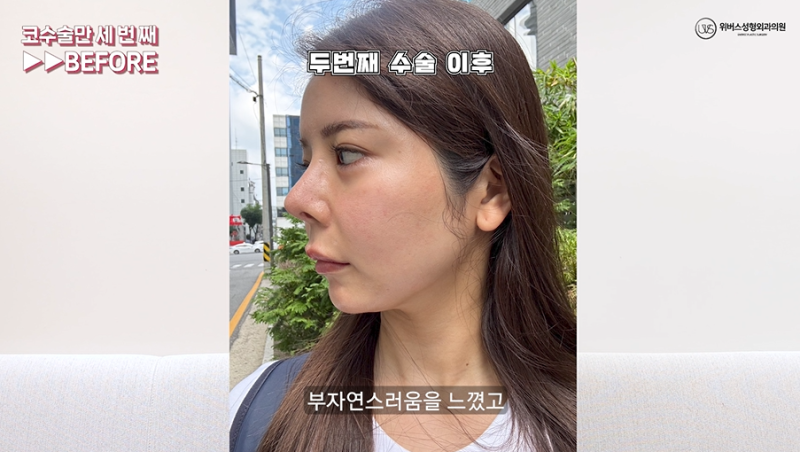
I had two previous nose surgeries,
and after the second one, my nose became too high,
making me feel unnatural to the point of discomfort in daily life.
People around me often commented that my nose looked awkward,
so I decided to have revision surgery.
Q: Why did you choose Uverse Plastic Surgery?
I visited a total of seven hospitals for consultations.
Among them, I heard that Director Seo Seung-jo has extensive experience in contracture nose surgery,
which is known to be the most difficult type of nose surgery.
I also heard that many Japanese patients choose Uverse for their surgeries,
so I decided to proceed with my surgery at Uverse as well.
Q: What are your expectations after revision rhinoplasty?

After the surgery, my main expectation is that when viewed from the front,
my nostrils won't be too visible.
From the side, my nose is currently too high, so after surgery,
I hope it will change to a natural line.
Lastly, my nasal tip is too pointed,
so I hope it can be made as round as possible.
The most important thing for me is that
since my eyes are large and distinct,
I want a harmonious nose that suits my face well.
Director! I'm counting on you!😘
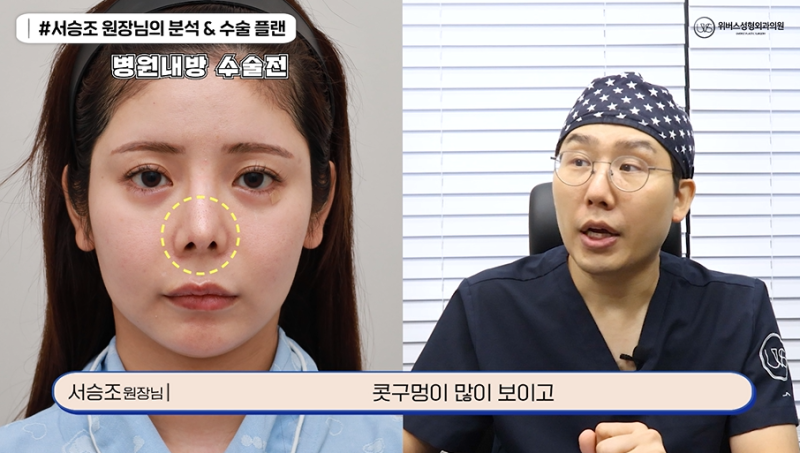
In the patient's case, looking at the frontal photo, for the following reasons,
even after surgery, the nose did not look aesthetically pleasing:
✔️The nostrils are very visible, look pinched, and appear crooked.
✔️In the side profile, the nasal bridge is too high and appears upturned.
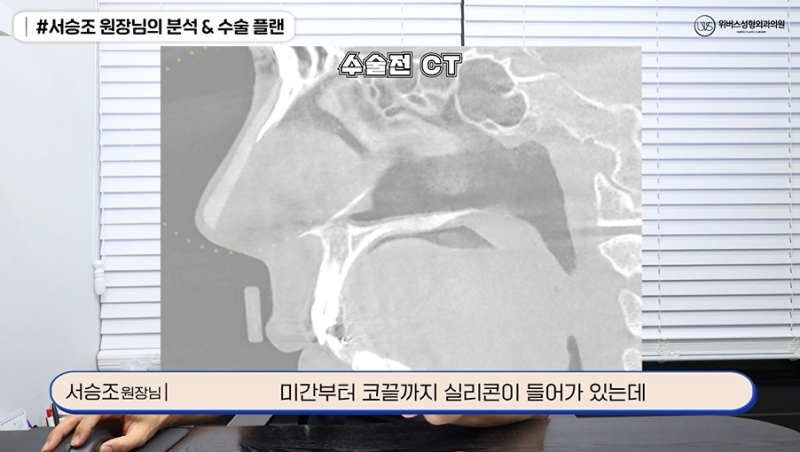
What do you think after seeing the pre-operative CT scan?
Silicone should extend from the glabella to the nasal tip,
but the silicone becomes very high towards the nasal tip,
and if it was that high, the nasal tip should have been lowered further, but it couldn't be.
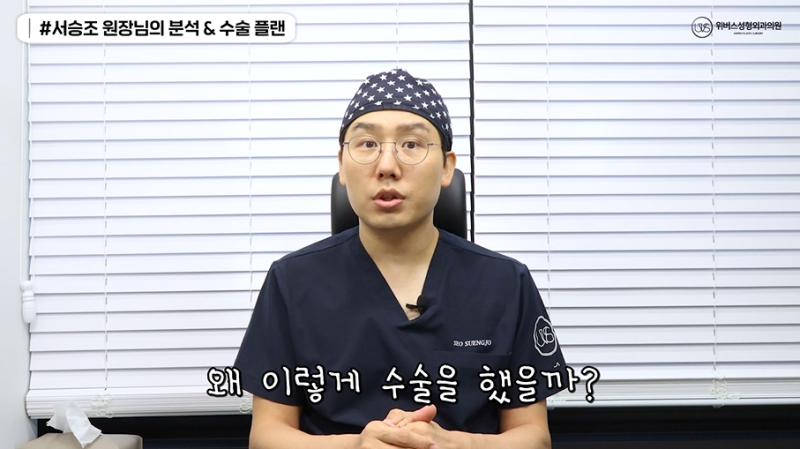
In this case, it seems the original design itself was a bit flawed.
Looking at this patient's past surgical history,
the first nose surgery was in Japan, the second in Korea,
and now they are having their third surgery at our clinic.
It seems like it was a surprisingly difficult nose to operate on.
This is because even a slight mistake in design can result in this kind of shape.
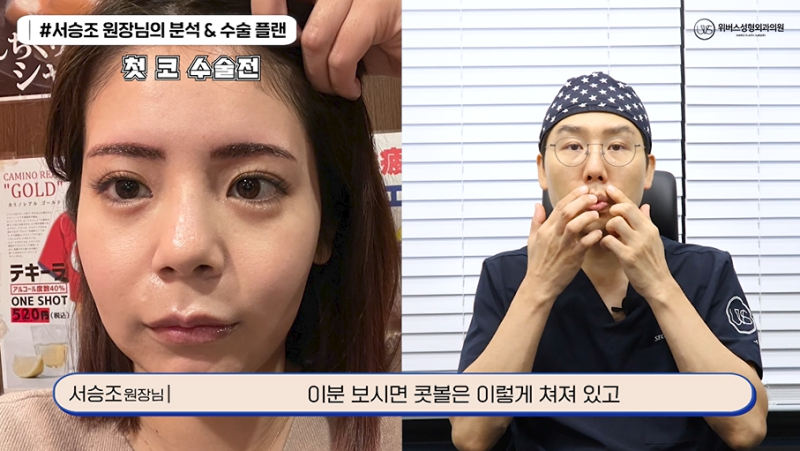
Looking at this person's nose before their first surgery,
the alar base was droopy and the nasal tip was very large.
So, when they had surgery in Japan,
they underwent alar reduction and a slight reduction and lowering of the nasal tip.
In a way, it feels like that much would have been enough.😥
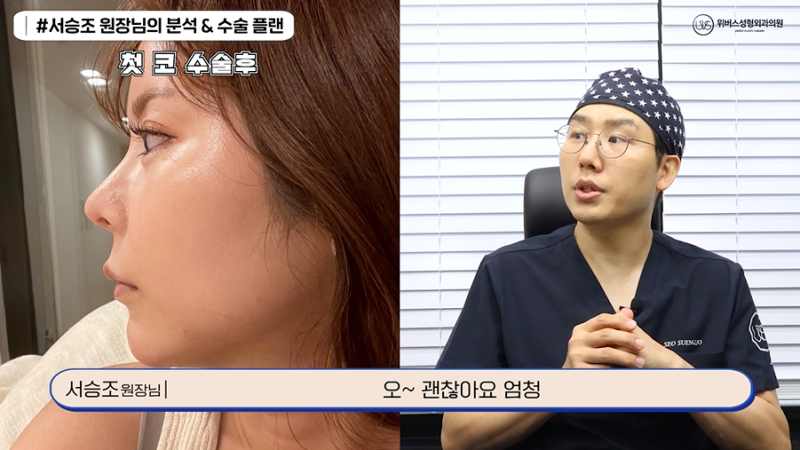
This is the side profile after the first nose surgery. One might think, 'Isn't this good enough?'
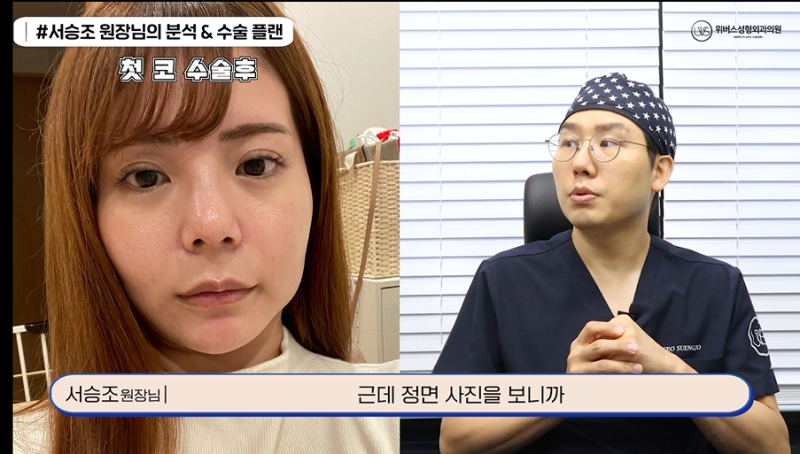
Was there any change in the frontal view?
At that time, the frontal appearance probably didn't change much,
so they likely had the second surgery in Korea.
So, they had another surgery in Korea with silicone insertion,
but the problem with the surgery in Korea was that
the nasal tip could not be lowered sufficiently.
It seems there was a significant lack of septal cartilage inside.
Since the nasal tip couldn't be lowered with that insufficient cartilage, when looking at the CT after lowering it,
because of the lack of cartilage, they tried to solve everything with silicone from start to finish.
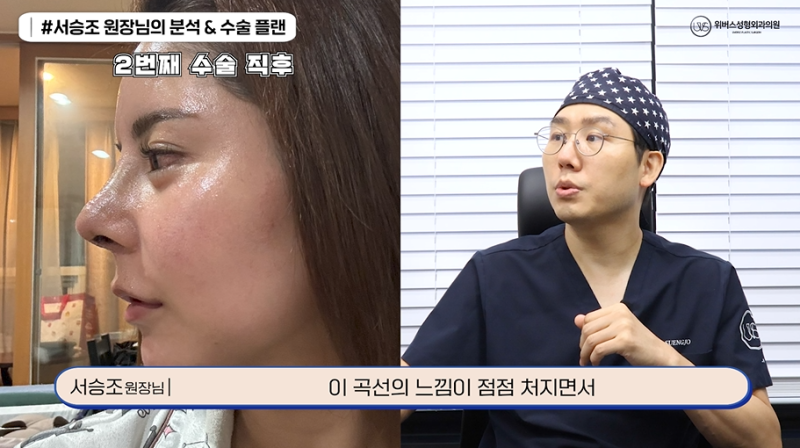
Eventually, this curved line gradually sagged,
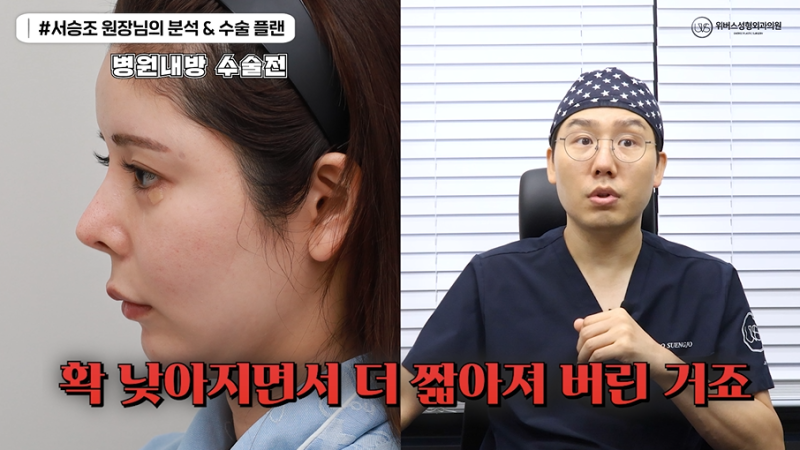
and it became significantly lower and shorter.
Therefore, the key to this second revision rhinoplasty is
★The nasal tip must be sufficiently lowered with cartilage (autologous rib).★
Another key point is that
if the nostrils don't follow when the nasal tip is sufficiently lowered with cartilage,
it can eventually become like a 'dragon nose'. To prevent this difficult nose from becoming like that,
the nose shape must be meticulously adjusted during surgery.
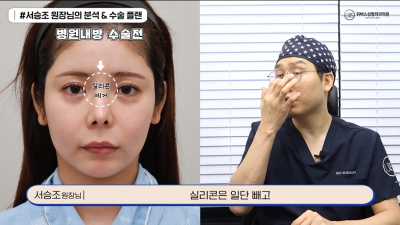
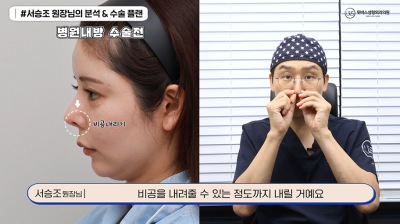
So, the surgical plan is to first remove the silicone and sufficiently lower the nasal tip
to the extent that the nostrils can be lowered.
Looking at the side profile, one might feel, 'It's a bit disappointing, isn't it a bit upturned?'
However, doing so creates a look from the front that doesn't appear long.
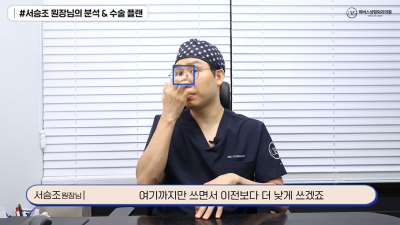
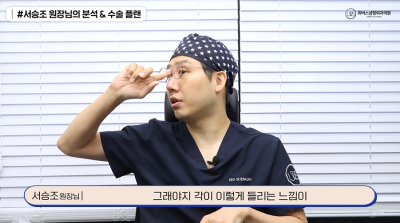
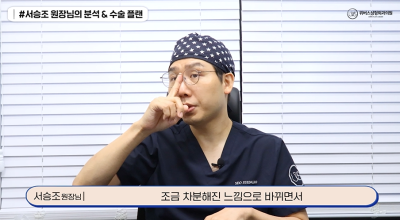
The starting point of the nose needs to be lowered compared to before, so that when viewed from the side,
the upturned appearance of the nose changes to a slightly calmer look,
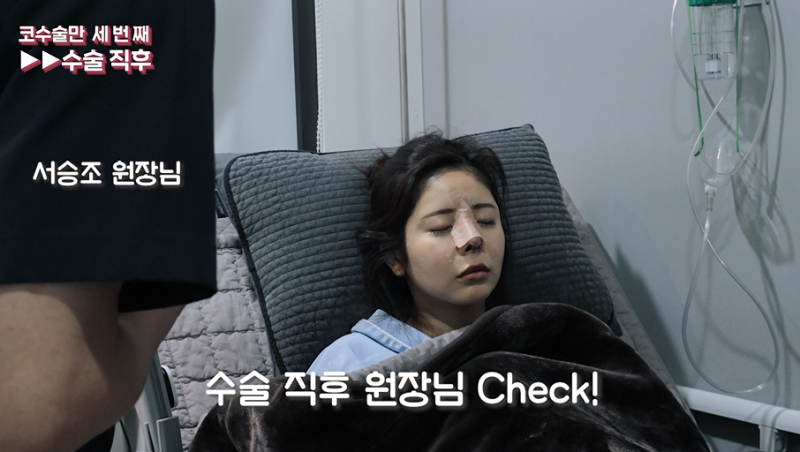
and after the surgery, it will have transformed into a natural appearance, right?🙆♂️


💖Watch the full video
https://youtu.be/vUfn0N7q4mI?si=HsdOSHbFlVpq5lw-
💡Do you have more questions?


❤️How to find Uverse Plastic Surgery
In front of Exit 4 of Gangnam Station (Line 2, Shinbundang Line), 5th floor, Miwang Building
❤️Phone
02.558.0227
instagram.com/uverse_plasticsurgery
Frequently Asked Questions
What materials are used to lower the nasal tip during revision rhinoplasty?
In this case, autologous costal cartilage is used. Since the previous surgery resulted in a shortage of septal cartilage and reliance on silicone, leading to an upturned nose, the key is to use strong autologous costal cartilage to sufficiently and stably lower the nasal tip.
My nostrils are very visible and pinched due to a previous surgery; can this be corrected?
Yes, correction is possible. The existing silicone is removed, and the nasal tip is sufficiently lowered with autologous costal cartilage, meticulously correcting the nostrils (alae) to follow along. This can make the nostrils less visible from the front and create a natural nose shape.
How is the silicone inserted in a previous rhinoplasty handled during revision surgery?
As a rule, the existing silicone is removed. In cases like the one described, where silicone was excessively inserted into the nasal tip, causing an unnatural shape, it is removed, and the starting point of the nose is lowered to redesign a calm and natural line that does not appear upturned when viewed from the side.
Are there any side effects to be aware of when lowering the nasal tip?
Yes, if only the nasal tip is lowered excessively, it can look like a 'dragon nose'. If the alae (nostrils) do not follow appropriately when the nasal tip is sufficiently lowered with cartilage, an awkward shape can result, so meticulously adjusting the position of the alae and the overall balance of the nose during surgery is very important.