2026-05-29
Weverse Plastic Surgery Autologous Rib Cartilage Rhinoplasty
#AutologousRibCartilage #Rhinoplasty #AutologousRib #RevisionRhinoplasty #GangnamAutologousRib #Implant #Silicone #Cartilage #EarCartilage #Rib #Weverse #WeversePlasticSurgery #SeoSeungJo Hello~💎your beauty universe! This is Weverse Plastic Surgery :)💎 A low nose can reduce the three-dimensional effect of the face, making the overall face look flat. Because of this issue, many people look into rhinoplasty. The nose...
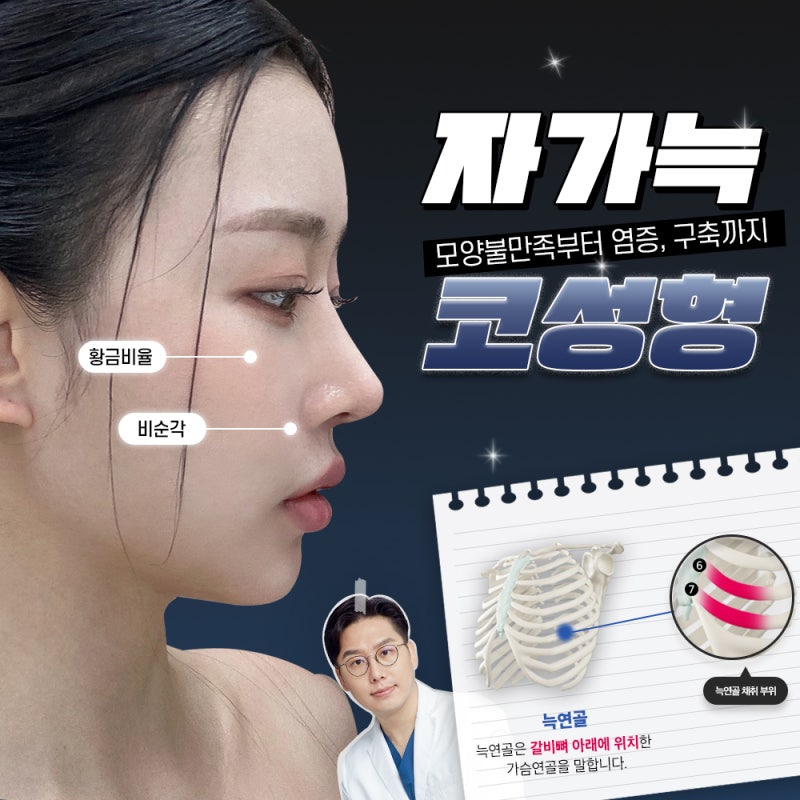
#AutologousRibCartilage #Rhinoplasty #AutologousRib #RevisionRhinoplasty #GangnamAutologousRib #Implant #Silicone #Cartilage #EarCartilage #Rib #Weverse #WeversePlasticSurgery #SeoSeungJo
Hello~
💎your beauty universe! This is Weverse Plastic Surgery :)💎
A low nose can reduce the three-dimensional contour of the face,
making the face appear flat overall.
Because of this concern, many people look into rhinoplasty.
Since the impression of the face is largely determined by the height and shape of the nose,
it is one of the surgeries that brings about a significant change in your image.
Rhinoplasty commonly uses artificial implants,
but this method has the disadvantage of potential inflammation or allergic reactions due to implant rejection after surgery.
For those who do not want artificial implants, a surgical method using autologous tissue can be chosen.
Because rhinoplasty using autologous tissue is performed with parts of your own body, rejection and
side effects are minimized, making it highly advantageous even for revision surgeries.
What is Autologous Rib Cartilage Rhinoplasty?
Autologous rib cartilage rhinoplasty is a surgical method using your own rib cartilage.
It offers the advantage of strong support due to the firm nature of the cartilage and is safer than other artificial implants.
Additionally, its excellent supporting strength makes it relatively resistant to contracture and inflammation over time.
✅ Abundant amount available for harvesting
✅ Firm and highly durable
✅ Low risk of inflammation and side effects as it is autologous tissue

Also, when it comes to autologous rib cartilage, many people worry about the warping phenomenon.
The warping phenomenon refers to the cartilage gradually bending or curving over time.
At Weverse Plastic Surgery, to minimize this warping phenomenon, our experienced medical staff
harvest the rib cartilage through a minimal incision.
Today, we learned about autologous rib cartilage rhinoplasty.
If you have any questions, please feel free to contact Weverse Plastic Surgery.
❤ Want a quick consultation?



Frequently Asked Questions
What is the biggest advantage of autologous costal cartilage rhinoplasty?
The biggest advantage is that there are fewer side effects and rejection reactions. Because your own rib cartilage is used, the risk of inflammation or allergies is lower compared to artificial implants, and the amount that can be harvested is abundant and durable, providing excellent support.
Will my nose not become crooked later if I use autologous costal cartilage?
Yes, a warping phenomenon where the cartilage bends over time can occur. However, at Wevers Plastic Surgery, skilled medical staff perform the surgery precisely with minimal incision to harvest costal cartilage to minimize such side effects.
Why do you recommend autologous tissue instead of artificial implants?
It can prevent rejection reactions such as inflammation or allergies caused by artificial implants. Autologous tissue is harvested from your own body, so it is highly safe, and it is relatively resistant to contracture or inflammation over time, making it easy to use even for revision rhinoplasty.
Isn't autologous costal cartilage weak in support?
No, on the contrary, it is very firm and highly durable. Autologous costal cartilage has stronger support compared to other implants or cartilages, helping to maintain the shape of the nose stably, and it is also resistant to contracture over time.