2026-05-29
What Causes a Squared-Off Deformity After Canthoplasty?
#Epicanthoplasty #UpperCanthoplasty #EpiUpperCanthoplasty #PtosisCorrection #DoubleEyelid #DoubleFoldLowering #LateralCanthoplasty #LowerCanthoplasty #LateralLowerCanthoplasty #CornerCanthoplasty #DualCanthoplasty #GangnamEyeSurgery #PlasticSurgery #GangnamPlasticSurgery #DrShimJeongHwan #ShimJeongHwan #SeoSeungJo #DrSeoSeungJo Hello~!💛 your beauty universe! This is Weverse Plastic Surgery :) 💛 We have prepared the 25th Q&A session with Dr. Shim Jeong-hwan! ❤
#Epicanthoplasty #UpperCanthoplasty #EpiUpperCanthoplasty #PtosisCorrection #DoubleEyelid #DoubleFoldLowering #LateralCanthoplasty #LowerCanthoplasty #LateralLowerCanthoplasty #CornerCanthoplasty #DualCanthoplasty #GangnamEyeSurgery #PlasticSurgery #GangnamPlasticSurgery #DrShimJeongHwan #ShimJeongHwan #SeoSeungJo #DrSeoSeungJo
Hello~!
💛 your beauty universe! This is Weverse Plastic Surgery :) 💛
We have prepared the 25th Q&A session with Dr. Shim Jeong-hwan! ❤
Today's topic is 'What causes a squared-off (ㄷ-shaped) deformity after canthoplasty??'
What Causes a Squared-Off Deformity After Canthoplasty?
There can be several causes.
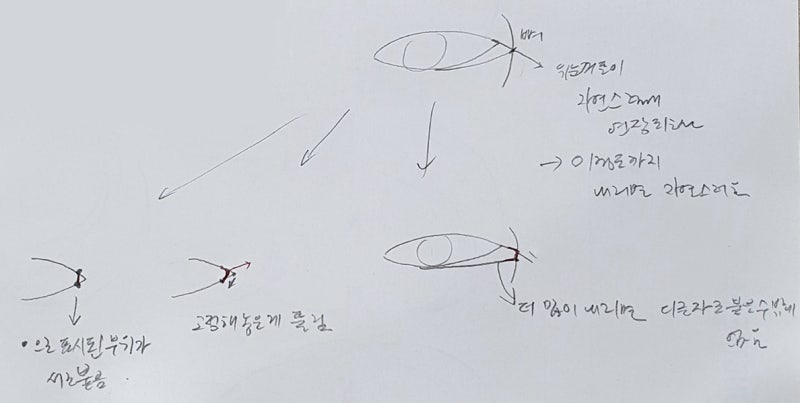
1. Normally, when canthoplasty is not performed, the upper and lower eyelids meet at a sharp point.
Even without canthoplasty, there are cases where the corner is slightly open in a squared-off (ㄷ) shape.
In such cases, performing canthoplasty can worsen this deformity, so the downward angle must be carefully adjusted.
2. It can occur when the upper and lower scars fuse together, so the skin and mucosal suturing must be done accurately and meticulously.
3. If the periosteal fixation is inaccurate or becomes loose and unravels, the scar can also heal in a squared-off shape.
4. If the upper eyelid is lowered and fixed beyond its naturally connecting angle,
there is no more space to extend backward, causing it to fuse in a squared-off shape.
Has your curiosity about the causes of squared-off deformities after canthoplasty been resolved?!
We will return with even more informative content next time 😄
❤ Want a quick consultation?


https://www.youtube.com/watch?v=4oHUATAXmSg
❤ Directions

Frequently Asked Questions
What is the biggest cause of D-shaped deformation after canthoplasty?
Several factors can contribute to D-shaped deformation. Typically, it occurs if the eye corner was already subtly D-shaped before surgery, if the upper and lower scars adhere, if the periosteal fixation loosens, or if the corner is lowered excessively beyond a natural angle.
Does the shape of the outer corner of the eye before surgery affect D-shaped deformation?
Yes, it does. Even without canthoplasty, some eye corners are subtly D-shaped, and performing canthoplasty in such cases can worsen the deformation, requiring precise adjustment of the downward angle.
How can D-shaped deformation due to scar adhesion be prevented?
Precise and meticulous suturing of the skin and mucous membrane is crucial. Since upper and lower scars can adhere to each other and cause D-shaped deformation, a delicate suturing process during surgery is very important.
What happens to the shape of the outer corner of the eye if periosteal fixation loosens?
The scar can adhere in a D-shape, leading to deformation. If the periosteal fixation during canthoplasty is not accurate or becomes loose, the intended shape cannot be maintained, and a D-shaped scar will remain.
Is it always good to lower the outer corner of the eye significantly?
No, it is not. If the outer corner is lowered and fixed excessively beyond the natural angle of the upper eyelid, there will be no space for the corner to extend further backward, which can lead to the side effect of the corner adhering in a D-shape.